gffffffffffffffff

fffffffffffffff

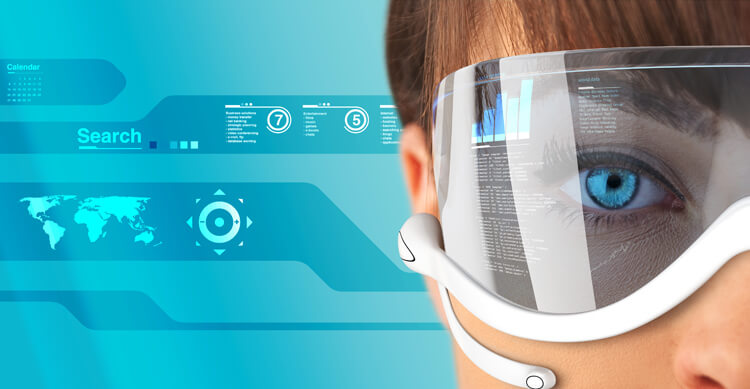
How will the future cell phones?

Mobile devices will change the way of the future performance of the business in a way never imagined afterDo you think that today's mobile phones is very strong ? Wait until 2050 to radically change your mind . Since then Apple will be forgotten ( maybe) because most of the technology...

Future of Cell Phones 2028

This mobile phone is completely flexible due to the technology behind it… it uses a graphene touch screne being graphene based makes it essentially .........

future cell phones !!

Do you think the current cell phone form factors will change in the future? This is a really open-ended question, but being the constantly innovating beings that we are,.......

عرض المشاركات المصنفة بحسب التاريخ لطلب البحث applications. تصنيف بحسب مدى الصلة بالموضوع عرض جميع المشاركات

الاثنين، 25 نوفمبر 2013

How will the future cell phones ?


the future cell phones   


 future cell phones
Mobile devices will change the way of the future performance of the business in a way never imagined afterDo you think that today's mobile phones is very strong ? Wait until 2050 to radically change your mind . Since then Apple will be forgotten ( maybe) because most of the technology companies lasts only until thirty years according to the statistics .Will be your thick paper and can shipping wirelessly , and will be able to display high-resolution images on the wall when you need a larger screen , and then will become Laptops Kalathar , but innovation most surprise us would be artificial intelligence high power where will transform our phones to Tools stronger and more intelligent than before .Before going into the mobile future , looking for a little history of mobile phones and the evolution of generations until it reached what we know today , only to realize that what we are now was a miracle or can not be predictable in the prior period


  future cell phones
Madi phones
 

 The first application of the concept of the phone was in a workshop Alfred Graham Bell and his assistant Thomas Watson , when poured Bill himself some of the acid from the battery runs out shouted , " Come to the Thomas -off" and rushed to help from the second chamber , saying , " I've heard everything you said and clearly " .. This was the birth of the telephone in March 1876 .The date of the mobile phone to the year 1947 when the company began to West Technologies experiments in plant New Jersey but were not her first mobile phone but he was the owner of this achievement is the American Martin Cooper , a researcher at Motorola Communications in Chicago where he conducted the first call on 3 April 1973 by the first mobile phone in the world and his name Daanatak 8000 X DynaTAC 8000X ( s ) after 15 years of development at a cost of 100 million dollars. He weighed 1.3 kg and its price is about 4 thousand dollars and placed in the car .She attributes some of the sources that the history of mobile phones began in 1958 when he launched the German Post Office A first generation of mobile communication networks . The weight of the communication device then 16 kg , size large , and it should be the presence of an employee to coordinate and transfer calls . And use was restricted to politicians and famous only because of the high cost .In 1972, a significant change occurred in the technical production of the second generation B of mobile communication networks . It enables users of the first time to make contact and receive calls , on their own , without any intermediary . But it should be on the user to know the area code where there are .In 1986, a stunning improvement in systems of mobile communications networks . The user can now , by the third generation of mobile networks C , a number that can communicate with him through it all over Germany . Moreover , it became possible to send data and text and receive faxes .In the summer of 1992 , began the era of digital mobile communications D launch of the fourth generation of communication networks , and become people can use mobile phones to communicate all over Europe , using a Motorola International is relatively small compared with the timeAt the end of 1994 was the launch of the fifth generation of mobile networks E , and what distinguishes it is the presence of thousands of base stations connect signals . This has made mobile phones require less power , and make it smaller, lighter and cheaper .Since 1999, Pat technical development is moving at a faster pace and become for mobile devices and radio color screens and memory storage of MP3 files and the ability to view video files. This has made the mobile phone device diverse uses, and in the same year was the launch of the first phone connected to the Internet, and then a few years became a user can send and receive e-mails via the Internet.
Generations of phones

egan the first generation through Motorola Phone ( Daanatak 8000 X ) was communication networks can transfer between the user's wireless communications centers while on the move . The phones of this generation is characterized by the large size and weight of the big .The second generation began the transformation of telecommunications networks to digital format in 1990 in the United States and in 1991 in Europe , and they can connect with a lot of types of networks . The devices are small , and weighed between 100 and 200 grams , and its forms has become acceptable to users. Sent the first text message in the world in 1992 .Gave this generation the ability to download content to the device , which sold the first ringtone in the world in 1998 in Finland , to begin with paid advertising to appear in text messages in 2000 . It was the experience of electronic payment systems through a mobile phone in 1998 , too. This , and launched Internet services fully on mobile phones in Japan in 1999 .The third generation handsets , it allows the user to connect to the Internet and exchange e-mails speeds are good, and Japan was the first country to have introduced such networks in 2001 , with the introduction of networks fourth-generation LTE recently , which allows the transfer of data to and from the phone and connect to the Internet at speeds very large compared to the previous (10 -fold ) , which will open the way for more services and creative abilities , such as watching TV and video presentations directly and clearly high without interruption , and at low prices.


future cell phones 

 This is a list of six predictions for the future of mobile phones:

1 - decomposition of your surroundingsCell phones will be able to analyze the future of the environment around us , but not as you think . Today's phones can be connected via Bluetooth signals and transmit music to registered car. But in the next thirty years will be more than your ability to self-understanding , as it is up to the hotel room Vsicom contact with the air conditioning system and the degree of heat and adjusts according to your own preferences . You will be able to access any electronic device in the house until the touch of a finger of the drain in the bathroom to know when was the last time it was cleaned . And you will know the updated information about the communications available , and hotel bills , people who are close to you, and even the weather , but not in the way known today , where those jobs will not be available through independent applications , but the phone will be able to connect directly with the providers of such data .2 - Registration InformationOne of the problems of human memory is that they tend to forget , but this is not a problem for mobile phone, in the independent will not be a function phones only store data and keep it to be called when needed , but will turn the phone into a digital recorder of events and places and experiences that pass by. Where you are when you enter into a conference room , for example, the sensors in the device will connect directly with the audience , whatever the phones of different types , and recorded their names have denominated in addition to the functional qualities and even the last trips they have made and where it came from all of them. And will be able to record audio and video , of course, but it will be done automatically , where you can access the cameras available in the hall for special moments only , which is not the entire recording session , but just what you care about them. It will enable artificial intelligence that knows its own when recording starts and when it stops without user intervention .3 - Display important dataIn the current period, the digital does not have much choice about how to display the information , for example , open a news channel speakers, what you will find almost programmers , but the future of mobile phones will be able to modify the way information is disseminated , including suits , and this is more than just editing. Where the phone will act as a major channel to access to information , but this channel is smart enough to isolate the news that does not interest you , focus and give priority to the news that interests you .And when you enter the site for the newspaper in the future on your phone , it will be allocated when the information brought to you and displays the news that relate to your interests .4 - Earn money from your phonePaid in the mobile future meeting searches conducted by using the phone , let's say you went to a meeting and you have conducted thorough research and extensive use your phone and reached for the results may be required by your partners in the meeting , it can be for your phone that displays their results against the wages simple in order to save their time and effort of searching which may Aaisaloa for the same results . It will be also able to provide good content and a new broadcasting license under your mini , almost something like a podcast in iTunes but locally and not wired . Since the financial statements of all phones will be stored and protected very well , it is possible to begin to sell anything you want just by phone , whether any file stored by or photograph .. Etc. .5 - Understand Your WorldPhones today to help us to understand the world around us better , for example, you can by a small application today to know the prices of homes for sale in the neighborhood where you are now . And also that your phone will become an intelligence agent of your own , it will go beyond that, you'll be able to talk to your phone and translate what you say at the same time and without any delay and no matter what language you speak ( Some aid audio or voice search in Google currently such tasks , but they do not support all languages ​​as it is not 100% accurate ) , and will know your preferences and will connect to the services that you want around you , for example, when they pass by your bank or cafe who sat with a friend in it last week , it will be ready because tells you and suggests that you what to do if the request uncover your balance or to communicate with the same friend or another friend knows it near you because you sit with him and so if you have plenty of time by understanding the timetable .Suppose you follow the news a certain singer or actor and when you are close to the cinema or theater or when ISO singer region or city that proposes to you where you need some work .6 - Play with othersThe concept of social play in place today , but the future will be more broadly as well, where the phone will be able to directly conduct a survey to search for people Anaspun you and your own taste has not become your friends , and then you will be able to play with them in an interactive group .But the mobile future will make almost everything playable , for example, could be looking phone with your fellow employees at work who hate the manager and you are playing against him defeated , or you can play with the car by sitting next to you ( over the phone ) and wins gets a discount from Mahzh fuel coming or fill free , for example.


How will the future cell phones ?

  .

الأحد، 29 سبتمبر 2013

Free Download CCleaner v4.06.4324


About Of Software

CCleaner is most popular & freeware system optimization, Privavy & cleaning tool.It will removes unused files from your system-allowing Windows to run better faster & freing up valuable hard disk space.CCleaner also cleans your online activites such as your Internet history.Additionally it contains a fully featered registry cleaner.But the best part is that its faster&contains NO Spyware or ADWARE!!!!!!!

The Following Cleans

  1. Internet Explorer
  2. Firefox.
  3. Google Chrome.
  4. Opera.
  5. Safari.
  6. Windows-Recycle Bin, Recen Documents,Temporary files & Log files/
  7. Registry cleaner.
  8. Third-party applications.
  9. Spyware FREE 100%

Technical

File Size: 4.17MB (4,369,632 bytes)
Requirements: Windows 2000/ XP/Vista/Windows7/XP64/Vista64/Windows7 64
Languages: Multiple Languages
License: Freeware

Last Added: September 25, 2013

 Author: Piriform
Home page: www.piriform.com

Below Download Link


الخميس، 26 سبتمبر 2013

.Net Framework 4.5


About of Software
.Net Framework is Microsoft's consistent programing model for building applications have visually stunning user experiences and many more.The Microsoft .NET Framework runtime & associated files that are required to run & develop applications to target the .Net Framework

Features of .Net Framework

  1. Improvement to Windows workflow.
  2. Improvements to windows wordflow foundation & windows cummunication foundation.
  3.  Improve in CLR & BCL
  4. ADO.Net Improve
Requirements

Support: Windows vista, Windows 7, Vista 64, Windows 7 64, Windows 8,Windows 8 64, 

Below Download Link

الأربعاء، 24 يوليو 2013

Introducing Android 4.3, a sweeter Jelly Bean

Today we’re releasing Android 4.3 — an upgrade to Jelly Bean that introduces a number of new features, including restricted profiles. Android 4.3 also adds Bluetooth Smart support (a.k.a Bluetooth Low-Energy); the latest in 3D graphics through OpenGL ES 3.0; and more.

Restricted profiles for tablets
Lightweight and portable, tablets are perfect for sharing with others. Last October we added support for multiple users. Each person has a separate space and can freely customize the tablet experience, from lockscreen to wallpaper, apps and folders.

In Android 4.3, we're introducing restricted profiles, which let you manage per-user access to apps and content. Restricted profiles can be used in any number of situations. For example, restricted profiles enable parental controls, so certain family members are prevented from accessing mature content. Alternately, retail stores can use tablets as kiosks that show product information, or shops can use tablets as point of sale systems, all while limiting access to apps.

To set up restricted profiles on your tablet, go to the Users section under Settings. Learn more.


Bluetooth Smart support (a.k.a. Bluetooth Low-Energy)
Fitness sensors and other devices that use Bluetooth Smart technology open the door for a whole new class of mobile applications. Bluetooth Smart minimizes power usage while measuring and transmitting data, making both sensors and the phones or tablets connected to them more battery-efficient.

With Android 4.3, Nexus 4 can now connect to Bluetooth Smart sensors. Runtastic and many other developers are making Android apps compatible with these sensors.


Accelerated 3D graphics with OpenGL ES 3.0
Devices like the new Nexus 7 support OpenGL ES 3.0, the latest industry standard for accelerated 3D graphics. This brings photorealism to a whole new level in the games you're playing: blades of grass on the soccer field come alive, asphalt on the street looks real as you screech by, stubble on a villains' face almost pokes out of the screen. And with sophisticated effects like self-shadows, that villain looks even more menacing, casting a shadow on himself.


Dial pad autocomplete
With Android 4.3 we’ve introduced a new autocomplete feature in the dial pad. Just start touching numbers or letters and the dial pad will suggest phone numbers or names. To turn on this feature, open your phone app settings and enable “Dial pad autocomplete”.

Improved support for Hebrew, Arabic, Hindi, and more
We’ve made major progress on enabling right-to-left layouts across the platform user interface: dialer, home and lock screens, settings, and more. This work builds on the support that we introduced for right-to-left layouts for Hebrew and Arabic speakers in Android 4.2. We’ve also added support for Hindi, Afrikaans, Amharic, Swahili, and Zulu.


There’s more to Android 4.3 than we can fit in this post, so for a detailed list of changes, click here.

Android 4.3 is now rolling out now to Nexus devices, and will be available on the new Nexus 7 and Google Play edition devices soon. Let us know what you think on our Google+ page for Android.

Posted by Dave Burke and Gabe Cohen, Android Platform team

الجمعة، 14 سبتمبر 2012

The Benefits & Importance of Compatibility

We built Android to be an open source mobile platform freely available to anyone wishing to use it. In 2008, Android was released under the Apache open source license and we continue to develop and innovate the platform under the same open source license -- it is available to everyone at: http://source.android.com. This openness allows device manufacturers to customize Android and enable new user experiences, driving innovation and consumer choice.

As the lead developer and shepherd of the open platform, we realize that we have a responsibility to app developers -- those who invested in the platform by adopting it and building applications specifically for Android. These developers each contribute to making the platform better -- because when developers support a platform with their applications, the platform becomes better and more attractive to consumers. As more developers build great apps for Android, more consumers are likely to buy Android devices because of the availability of great software content (app titles like Fruit Ninja or Google Maps). As more delighted consumers adopt Android phones and tablets, it creates a larger audience for app developers to sell more apps. The result is a strategy that is good for developers (they sell more apps), good for device manufacturers (they sell more devices) and good for consumers (they get more features and innovation).

In biological terms, this is sometimes referred to as an ecosystem. In economic terms, this is known as a virtuous cycle -- a set of events that reinforces itself through a feedback loop. Each iteration of the cycle positively reinforces the previous one. These cycles will continue in the direction of their momentum until an external factor intervenes and breaks the cycle.

When we first contemplated Android and formed the Open Handset Alliance, we wanted to create an open virtuous cycle where all members of the ecosystem would benefit. We thought hard about what types of external factors could intervene to weaken the ecosystem as a whole. One important external factor we knew could do this was incompatibilities between implementations of Android. Let me explain:

Imagine a hypothetical situation where the platform on each phone sold was just a little bit different. Different enough where Google Maps would run normally on one phone but run terribly slow on another. Let's say, for sake of example, that Android implemented an API that put the phone to sleep for a fraction of a second to conserve battery life when nothing was moving on the screen. The API prototype for such a function might look like SystemClock.sleep(millis) where the parameter "millis" is the number of milliseconds to put the device to sleep for.

If one phone manufacturer implemented SystemClock.sleep() incorrectly, and interpreted the parameter as Seconds instead of Milliseconds, the phone would be put to sleep a thousand times longer than intended! This manufacturer’s phone would have a terrible time running Google Maps. If apps don’t run well across devices due to incompatibilities, consumers would leave the ecosystem, followed by developers. The end of the virtuous cycle.

We have never believed in a “one size fits all” strategy, so we found a way to enable differentiation for device manufactures while protecting developers and consumers from incompatibilities by offering a free "compatibility test suite" (CTS). CTS is a set of software tools that tests and exercises the platform to make sure that (for example) SystemClock.sleep(millis) actually puts the device to sleep for only milliseconds. Like Android, the test suite is freely available to everyone under the Apache open source license: http://source.android.com/compatibility/cts-intro.html 

While Android remains free for anyone to use as they would like, only Android compatible devices benefit from the full Android ecosystem. By joining the Open Handset Alliance, each member contributes to and builds one Android platform -- not a bunch of incompatible versions. We’re grateful to the over 85 Open Handset Alliance members who have helped us build the Android ecosystem and continue to drive innovation at an incredible pace. Thanks to their support the Android ecosystem now has over 500 million Android-compatible devices and counting!

Posted by Andy Rubin, Senior Vice President of Mobile and Digital Content

الخميس، 2 فبراير 2012

Android and Security

By Hiroshi Lockheimer, VP of Engineering, Android

The last year has been a phenomenal one for the Android ecosystem. Device activations grew 250% year-on-year, and the total number of app downloads from Android Market topped 11 billion. As the platform continues to grow, we’re focused on bringing you the best new features and innovations - including in security.

Adding a new layer to Android security
Today we’re revealing a service we’ve developed, codenamed Bouncer, which provides automated scanning of Android Market for potentially malicious software without disrupting the user experience of Android Market or requiring developers to go through an application approval process.

The service performs a set of analyses on new applications, applications already in Android Market, and developer accounts. Here’s how it works: once an application is uploaded, the service immediately starts analyzing it for known malware, spyware and trojans. It also looks for behaviors that indicate an application might be misbehaving, and compares it against previously analyzed apps to detect possible red flags. We actually run every application on Google’s cloud infrastructure and simulate how it will run on an Android device to look for hidden, malicious behavior. We also analyze new developer accounts to help prevent malicious and repeat-offending developers from coming back.

Android malware downloads are decreasing
The service has been looking for malicious apps in Market for a while now, and between the first and second halves of 2011, we saw a 40% decrease in the number of potentially-malicious downloads from Android Market. This drop occurred at the same time that companies who market and sell anti-malware and security software have been reporting that malicious applications are on the rise. While it’s not possible to prevent bad people from building malware, the most important measurement is whether those bad applications are being installed from Android Market - and we know the rate is declining significantly.

Android makes malware less potent
In addition to using new services to help prevent malware, we designed Android from the beginning to make mobile malware less disruptive. In the PC model, malware has more potential to misuse your information. We learned from this approach, designing Android for Internet-connected devices. Some of Android’s core security features are:

  • Sandboxing: The Android platform uses a technique called “sandboxing” to put virtual walls between applications and other software on the device. So, if you download a malicious application, it can't access data on other parts of your phone and its potential harm is drastically limited.
  • Permissions: Android provides a permission system to help you understand the capabilities of the apps you install, and manage your own preferences. That way, if you see a game unnecessarily requests permission to send SMS, for example, you don’t need to install it.
  • Malware removal: Android is designed to prevent malware from modifying the platform or hiding from you, so it can be easily removed if your device is affected. Android Market also has the capability of remotely removing malware from your phone or tablet, if required.

No security approach is foolproof, and added scrutiny can often lead to important improvements. Our systems are getting better at detecting and eliminating malware every day, and we continue to invite the community to work with us to keep Android safe.